


Overgrown brush can make otherwise usable land difficult to access or maintain. Privet, briars, vines, sweetgum saplings, and young pines can crowd wooded areas, fence lines, and neglected pastureland. Removing unwanted vegetation opens these spaces without necessarily clearing every tree or stripping the property to bare ground.
Corbin Land Management provides brush and vegetation removal in Inman and throughout the surrounding Upstate. We help property owners reclaim overgrown areas, improve access, and preserve desirable trees and natural features where practical. Whether you’re opening a wooded lot or clearing an old fence line, we plan the work around how you want to use the property.
Brush & Vegetation Removal for Inman Properties
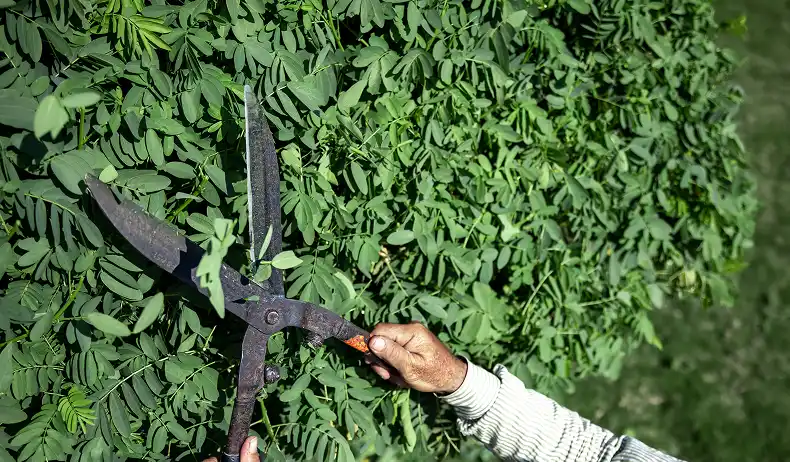
Brush removal can involve cutting, clearing, or processing unwanted vegetation, depending on its density and the property’s intended use. Some areas need selective undergrowth removal, while others require heavier equipment to handle dense brush and woody growth.
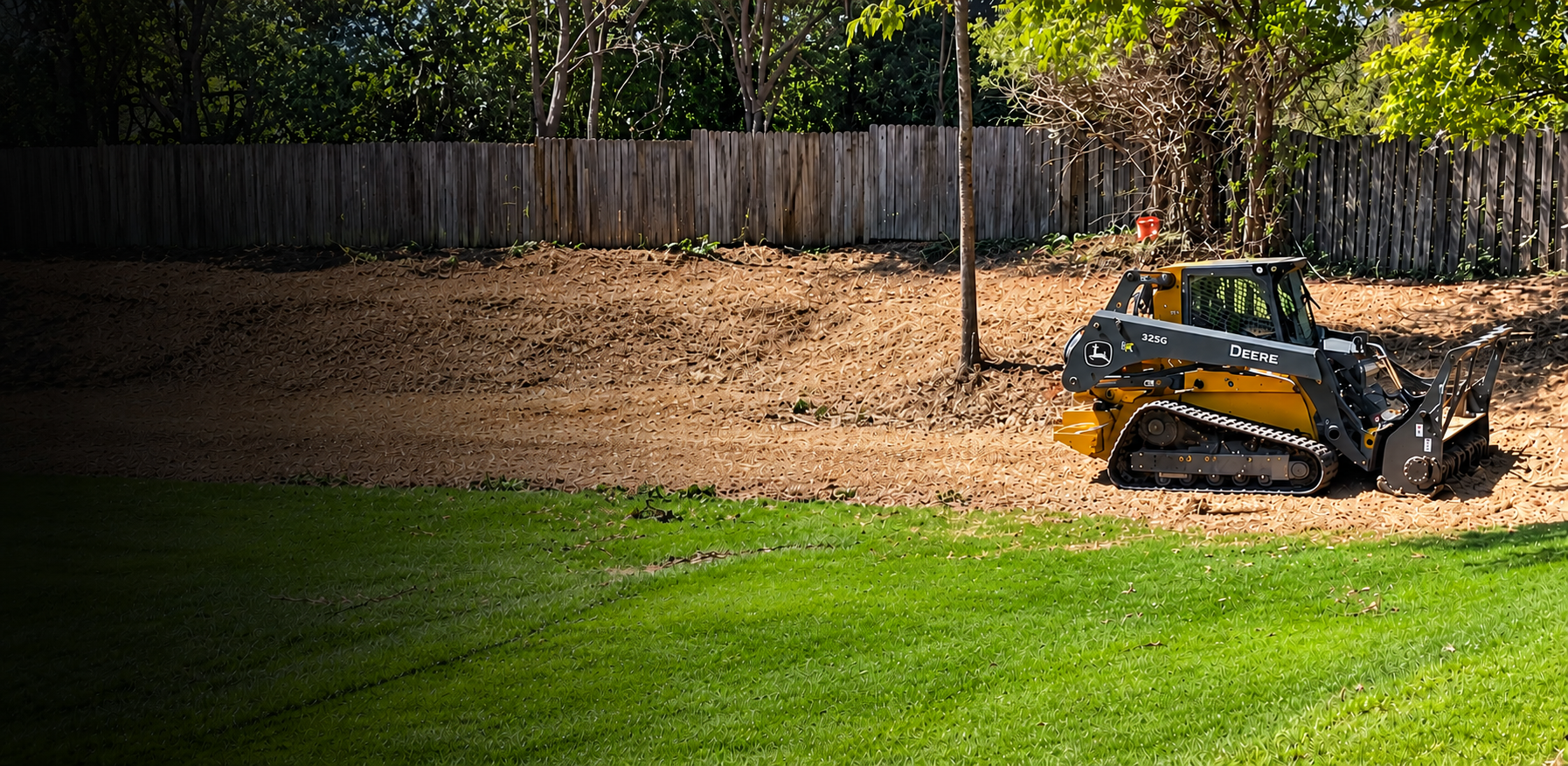
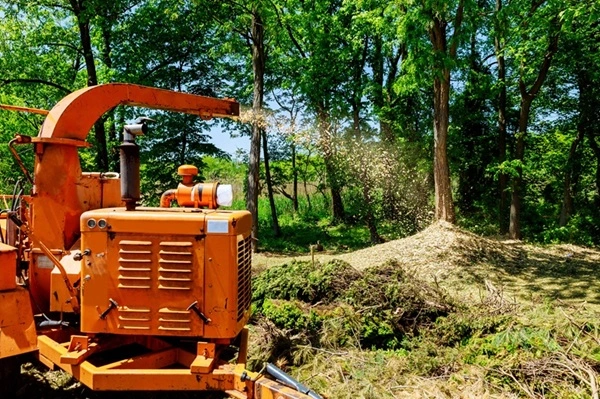
Corbin Land Management uses forestry mulching where appropriate to process vegetation on-site, leaving shredded woody material across the ground. This can reduce the amount of debris that needs to be hauled away while preserving selected trees and wooded areas.
Our brush and vegetation removal services are useful for:
- Wooded homesites that need better access and visibility
- Hardwood stands crowded with privet, vines, and dense undergrowth
- Overgrown pastureland covered with brush and young trees
- Trails, food plots, and recreational or hunting properties
- Fence lines and property boundaries that need to be reopened
- Driveways and access routes obstructed by vegetation
Wooded Lots and Underbrush Removal
Wooded properties often have mature trees worth keeping, even when dense undergrowth makes the land difficult to walk or maintain. Selective brush removal can open the space beneath the canopy while leaving designated trees and natural screening in place.
For homesites, removing underbrush also makes it easier to evaluate the terrain and identify areas that may need more extensive clearing later. Corbin works around selected trees where practical, helping property owners improve visibility and access without unnecessarily removing established vegetation.
Pasture and Fence Line Clearing
Pastureland can become covered with briars, brush, and young trees when regular maintenance stops. Removing that growth can reopen areas for fencing, mowing, grazing, or other rural property uses.
Overgrown fence lines and property boundaries present similar challenges. Clearing unwanted vegetation improves access for fence installation, repairs, surveying, and ongoing maintenance.
Corbin Land Management considers how the area will be maintained afterward, particularly where aggressive vegetation may return.
Forestry Mulching for Dense Brush and Undergrowth
Forestry mulching is one way Corbin Land Management removes heavy brush, vines, saplings, and smaller woody vegetation. Specialized equipment cuts and shreds the growth directly on-site, leaving processed material across the ground instead of creating large debris piles.
This method works particularly well for wooded acreage, overgrown fence lines, recreational land, and areas where property owners want to preserve mature trees. It can improve visibility and access without removing every tree or disturbing the entire root system.
When Is Forestry Mulching Better Than Full Land Clearing?
The choice depends on the vegetation and what you plan to do with the property.
- Wooded and recreational areas: Mulching can open trails, reduce dense undergrowth, and improve access while retaining selected trees.
- Pasture and fence lines: Mulching can remove established brush and young trees, although additional work may be needed before regular mowing or grazing.
- Future building areas: More extensive land clearing may be necessary when larger trees, stumps, and roots need to be removed.
- Mixed-use properties: Mulching can preserve wooded areas while more complete clearing prepares designated spaces for improvements.
Forestry mulching generally works best on brush, saplings, and smaller trees. Larger trees may require separate removal, depending on their size and condition.
Take Back Your Property
Overgrown Doesn’t Have to Mean Unusable.
What Does Forestry Mulching Leave Behind?
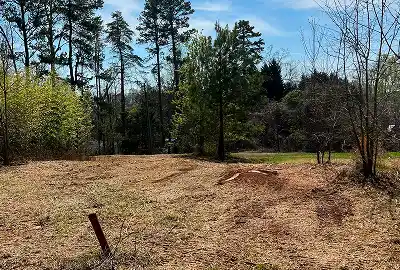
Forestry mulching cuts vegetation near ground level rather than removing entire root systems. A layer of shredded woody material remains on the property, and small stumps or other woody remnants may still be present.
These conditions matter when planning future mowing, fencing, or other improvements. Corbin evaluates the vegetation and intended use during the property walkthrough to determine whether mulching alone will achieve the desired result.
Brush Removal and Wildfire Risk
Dense undergrowth can contribute to wildfire fuel around wooded properties. Removing unwanted brush may help reduce vegetation buildup, but shredded mulch also remains combustible.
The South Carolina Forestry Commission provides guidance on managing vegetation and combustible materials around structures. Forestry mulching may support broader vegetation management efforts, but it does not replace recommended wildfire precautions.
01
Selective Brush Clearing
We remove unwanted growth while working around desirable trees and natural features where practical.
02
Forestry Mulching
Suitable brush and woody vegetation can be processed on-site to reduce debris handling.
03
Improved Property Access
We open overgrown areas, fence lines, and wooded spaces for easier use and maintenance.
04
Regrowth Considerations
We consider how vegetation may return and how you plan to maintain the cleared area.
Removing Invasive Vegetation and Managing Regrowth
Chinese privet, kudzu, and other aggressive vegetation can take over wooded lots, fence lines, and neglected acreage throughout the Upstate. Clemson’s Home and Garden Information Center notes that privet spreads through seeds and root sprouts, making it difficult to control through cutting alone.
Brush removal and forestry mulching can eliminate dense above-ground growth, reopening areas that have become difficult to access or maintain. However, established root systems may produce new growth after the initial clearing.
Depending on the vegetation and intended property use, ongoing maintenance may include:
- Mowing or cutting new growth before it becomes established
- Additional brush removal or forestry mulching as vegetation returns
- Appropriate invasive plant treatments when needed
- Establishing desirable ground cover to help limit unwanted regrowth
Corbin Land Management helps property owners understand what initial vegetation removal can accomplish and when continued maintenance may be necessary.
What Affects Brush and Vegetation Removal Costs in Inman?
Brush removal costs depend on the amount and type of vegetation, equipment access, and the conditions of the property. Light undergrowth on accessible ground generally requires less work than dense woody brush covering steep or neglected acreage.
When evaluating a project, Corbin Land Management considers:
- Size, density, and type of unwanted vegetation
- Slopes, wet areas, and overall ground conditions
- Trees, landscaping, and other features that need protection
- Access for equipment and debris handling
- Hidden obstacles such as fencing, rocks, or buried materials
- The desired finished condition and future use of the area
Old fence wire can be particularly troublesome when removing dense brush. Wire hidden in overgrown vegetation may become tangled in equipment, causing delays or damage. Identifying these obstacles during the property walkthrough helps Corbin plan the work more effectively.
What to Expect During Brush Removal
The method used depends on the vegetation and what you want the finished area to look like. Forestry mulching processes suitable growth on-site, leaving shredded woody material across the ground. Other removal work may require cutting, collecting, or managing vegetation differently.
Corbin works around designated trees and property features where practical. Before beginning, we discuss the areas to be opened, vegetation to preserve, and how you intend to maintain the property afterward.
Schedule Brush & Vegetation Removal in Inman, SC
Overgrown vegetation doesn’t have to prevent you from using your property. Whether you’re reclaiming wooded acreage, opening an old fence line, or removing brush around mature trees, Corbin Land Management can help determine an appropriate approach.
Based in Inman, we provide brush and vegetation removal throughout the surrounding Upstate. Our team considers the property’s existing conditions, the vegetation you want removed, and the features you want to preserve.
Ready to reclaim your property? Contact Corbin Land Management to discuss your brush removal needs and request an estimate.
Clear the Overgrowth
See what your property can become.