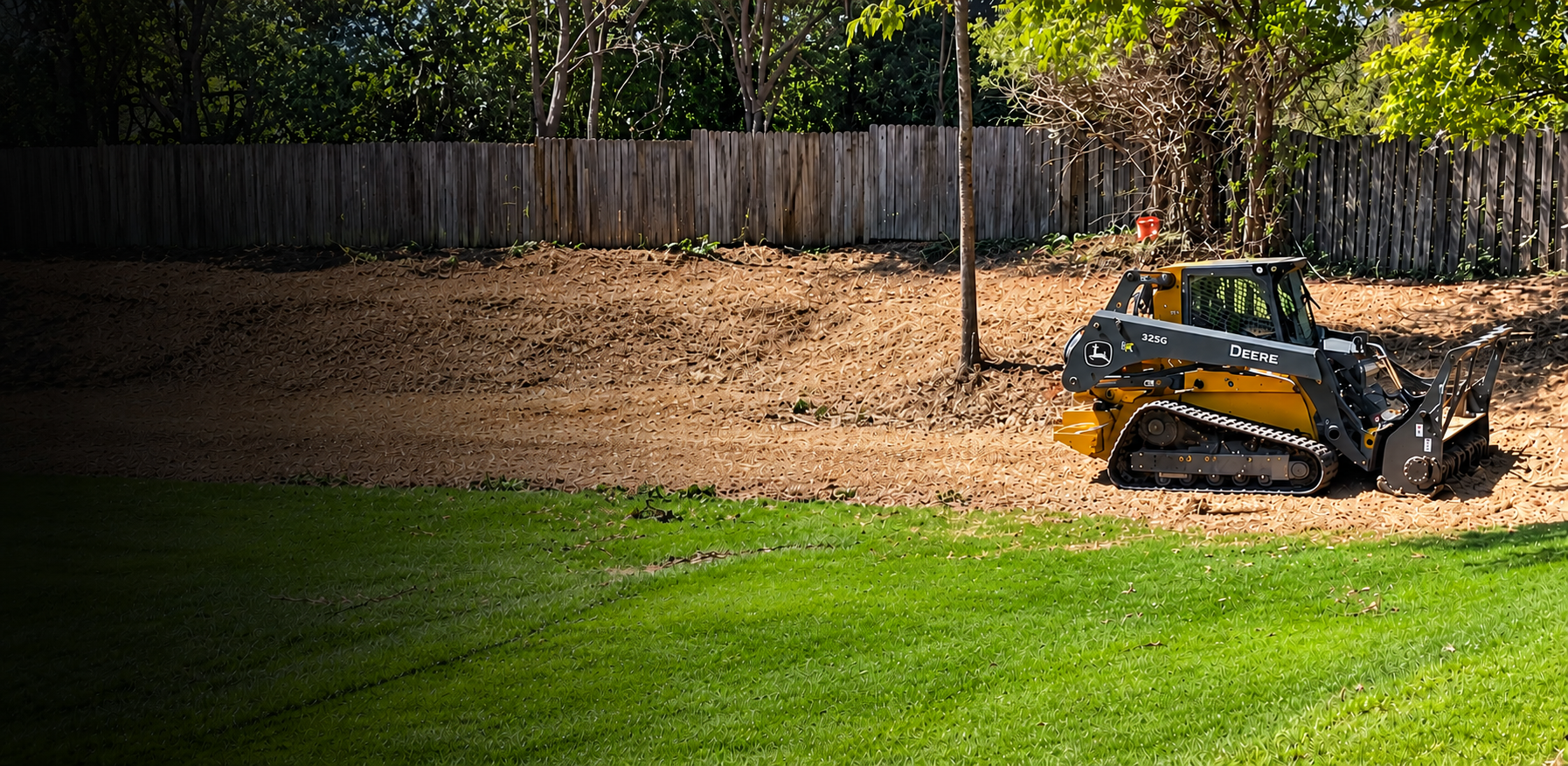



Uneven ground can limit how you use your property. A sloped yard may leave little room for outdoor improvements, while low spots can collect water after heavy rain. Steep banks and changing elevations can also complicate driveways, parking areas, and future construction.
Corbin Land Management provides grading, leveling, and retaining wall construction in Inman and throughout the surrounding Upstate. We help property owners reshape uneven ground, create more usable space, and address challenging slopes. Our approach considers existing soil conditions, drainage, and how the property will be used afterward.
Grading and Leveling for Inman Properties
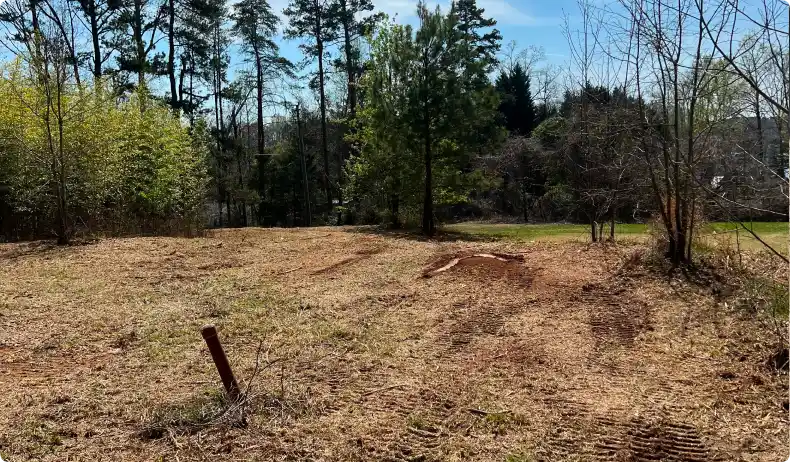
Grading changes the shape and elevation of the ground, while leveling creates flatter areas for specific uses. Both require attention to how water moves across the property and how the finished surface connects with surrounding terrain.
Common grading and leveling projects include:
- Leveling uneven yards for lawns, gardens, and outdoor improvements
- Creating usable areas on sloped residential and rural properties
- Shaping ground for driveways, parking areas, and access routes
- Correcting low spots and uneven surfaces
- Preparing suitable grades around planned structures and improvements
- Reshaping slopes to improve stability and manage surface runoff
Yard Leveling and Usable Outdoor Space
Sloped or uneven yards can make landscaping, mowing, and outdoor improvements more difficult. Grading can create flatter areas while maintaining appropriate transitions to the surrounding ground.
The amount of work depends on the existing slope, soil conditions, and intended use. Some projects need relatively minor adjustments, while others require substantial changes in elevation.
Slope Grading and Erosion Concerns
Exposed slopes can lose soil when heavy rain sends runoff across the ground. Over time, erosion may affect yards, driveways, and other improvements.
Reshaping a slope can help manage these conditions, although grading alone may not resolve every erosion problem. Steeper banks or substantial elevation changes may require retaining walls or additional drainage measures.
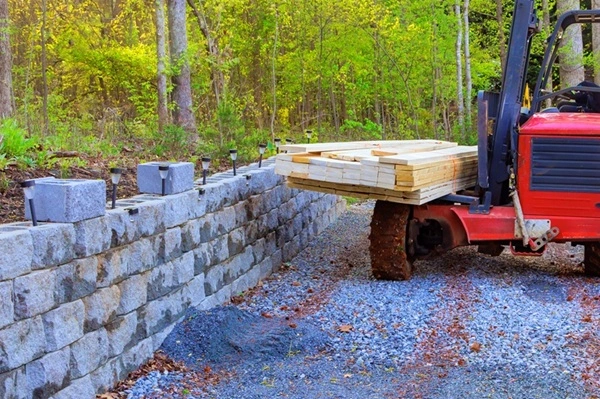
Retaining Wall Construction for Sloped Properties
Retaining walls support soil at different elevations, helping stabilize slopes and create usable ground where grading alone may not be practical.
Corbin Land Management builds retaining walls for residential and rural properties in Inman and the surrounding Upstate. These projects often complement grading work by supporting changes in elevation and helping maintain the finished terrain.
Common retaining wall applications include:
- Creating level areas for patios, gardens, lawns, and parking
- Supporting cut banks beside driveways and access roads
- Stabilizing exposed or eroding slopes
- Creating terraces on hillside properties
- Managing grade changes near homes and other structures
- Supporting slopes near ditches, culverts, and drive crossings
Retaining Wall Foundations and Construction
A retaining wall’s performance depends on more than its visible surface. The base, soil conditions, drainage, backfill, and loads above the wall all influence its design and construction.
Work generally begins with excavation and preparation of a stable base. Wall materials are installed according to the design, with drainage components, backfill, and reinforcement incorporated as needed.
The required approach depends on the wall’s height, the surrounding slope, and the weight it must support. Walls near driveways, buildings, or other heavily loaded areas may require additional design considerations.
Drainage Behind Retaining Walls
Water trapped behind a retaining wall increases pressure against the structure. This is particularly important in Upstate clay soils, which can drain slowly after heavy rainfall.
Drainage stone, appropriately designed outlets, and other components help manage water behind the wall. The surrounding grade also affects how runoff approaches and moves around the structure.
Where recurring runoff or standing water contributes to the problem, additional drainage and water management may be necessary.
Why Base Preparation Matters
A retaining wall needs a stable foundation to support the structure and the soil behind it. Building on loose or poorly prepared ground can contribute to settling, leaning, or uneven sections over time.
The base preparation method depends on the wall system, soil conditions, and design requirements. Proper preparation helps the wall support the intended grade change while accounting for conditions beneath the surface.
Make Uneven Ground Work for You
Sloped yards, low areas, and difficult terrain can limit your property's potential. Corbin Land Management provides grading, leveling, and retaining wall construction to help create more functional outdoor spaces.
Reach Out to Corbin Land ManagementRetaining Wall Height, Permits, and Engineering
Retaining wall requirements depend on more than the wall’s height. Soil conditions, surrounding slopes, drainage, and the weight above the wall can all influence its design.
Important considerations include:
- Wall height: Taller walls may require additional excavation, reinforcement, and engineering.
- Permits and engineering: Local requirements vary according to wall height, location, and structural conditions.
- Loads above the wall: Driveways, buildings, and nearby slopes can increase the pressure a wall must resist.
- Reinforcement: Some segmental walls require geogrid extending into the soil behind the structure.
- Nearby features: Utilities, property lines, irrigation, and tree roots can affect wall placement and excavation.
- Terraced walls: Multiple walls may be appropriate for steep slopes, but their spacing and combined loads require consideration.
Existing retaining walls also deserve attention when they show signs of failure. Leaning, bulging, significant cracking, or soil washing out near the base may indicate structural or drainage problems.
Corbin Land Management considers these conditions when evaluating retaining wall projects. Walls requiring engineered designs or special approvals must meet the applicable requirements before construction proceeds.
01
Useable Ground
We shape uneven terrain to support lawns, driveways, outdoor improvements, and other property uses.
02
Slope Management
We consider existing elevations and where retaining walls may help support changes in grade.
03
Drainage Considerations
We account for runoff and low areas when planning changes to the property’s surface.
04
Retaining Wall Construction
We consider base preparation, drainage, backfill, and surrounding loads when planning retaining walls.
What Affects Grading, Leveling, and Retaining Wall Costs?
The cost of grading and leveling depends on the amount of earthwork, existing terrain, equipment access, and the finished condition required. Retaining wall construction adds considerations such as wall height, materials, drainage, and reinforcement.
Factors that may affect the estimate include:
- Existing terrain: Steep slopes, uneven ground, and significant elevation changes can require more extensive work.
- Soil and drainage conditions: Wet ground, heavy clay, and unstable areas may complicate grading or wall construction.
- Amount of earthwork: The volume of material that must be moved, added, or removed influences the project scope.
- Equipment access: Narrow entrances, nearby buildings, and difficult terrain may limit equipment movement.
- Retaining wall requirements: Wall height, materials, reinforcement, and engineering can affect construction costs.
- Existing improvements: Fences, driveways, utilities, and failed retaining walls may require additional planning.
Two properties of similar size can have very different grading needs. Creating a relatively level lawn may require modest adjustments, while reshaping a steep hillside can involve substantial earthwork or retaining wall construction.
Corbin evaluates the existing conditions and intended use to determine the work involved.
Grading, Clearing, and Site Preparation
Grading and leveling often connect with other land improvement services. A heavily wooded area may need land clearing before the ground can be reshaped. Projects involving new construction may also require site preparation beyond the final grade.
Retaining wall projects can involve similar considerations. Equipment access, excavation, surrounding slopes, and drainage conditions all affect how the work is planned.
Corbin Land Management considers these related needs when evaluating the property so the grading work supports its intended use.
Schedule Grading and Leveling in Inman, SC
Uneven ground, steep slopes, and poorly shaped terrain can limit how you use your property. Grading and leveling can create more functional outdoor areas, while retaining walls provide additional support where substantial elevation changes need to remain.
Corbin Land Management provides grading, leveling, and retaining wall construction in Inman and throughout the surrounding Upstate. We evaluate the terrain, soil conditions, and intended use to discuss practical options for the property.
Planning improvements to uneven or sloped land? Contact Corbin Land Management to discuss your grading or retaining wall project and request an estimate.
Plan Your Grading and Retaining Wall Project
From leveling a yard to supporting a steep slope, the right groundwork starts with understanding the terrain. Contact Corbin Land Management to discuss your property and request an estimate.
Get Your Estimate