


Overgrown land can be difficult to use. Briars, saplings, privet, and years of fallen branches can hide the shape of the property, drainage patterns, and even boundary markers. Clearing that growth opens the ground for building, fencing, farming, or whatever you have planned next.
Corbin Land Management is based in Inman and provides land clearing throughout the surrounding Upstate. We clear residential lots, pastureland, and undeveloped acreage with the property’s future use in mind. Tell us what you want the land to become, and we’ll plan the clearing around that goal.
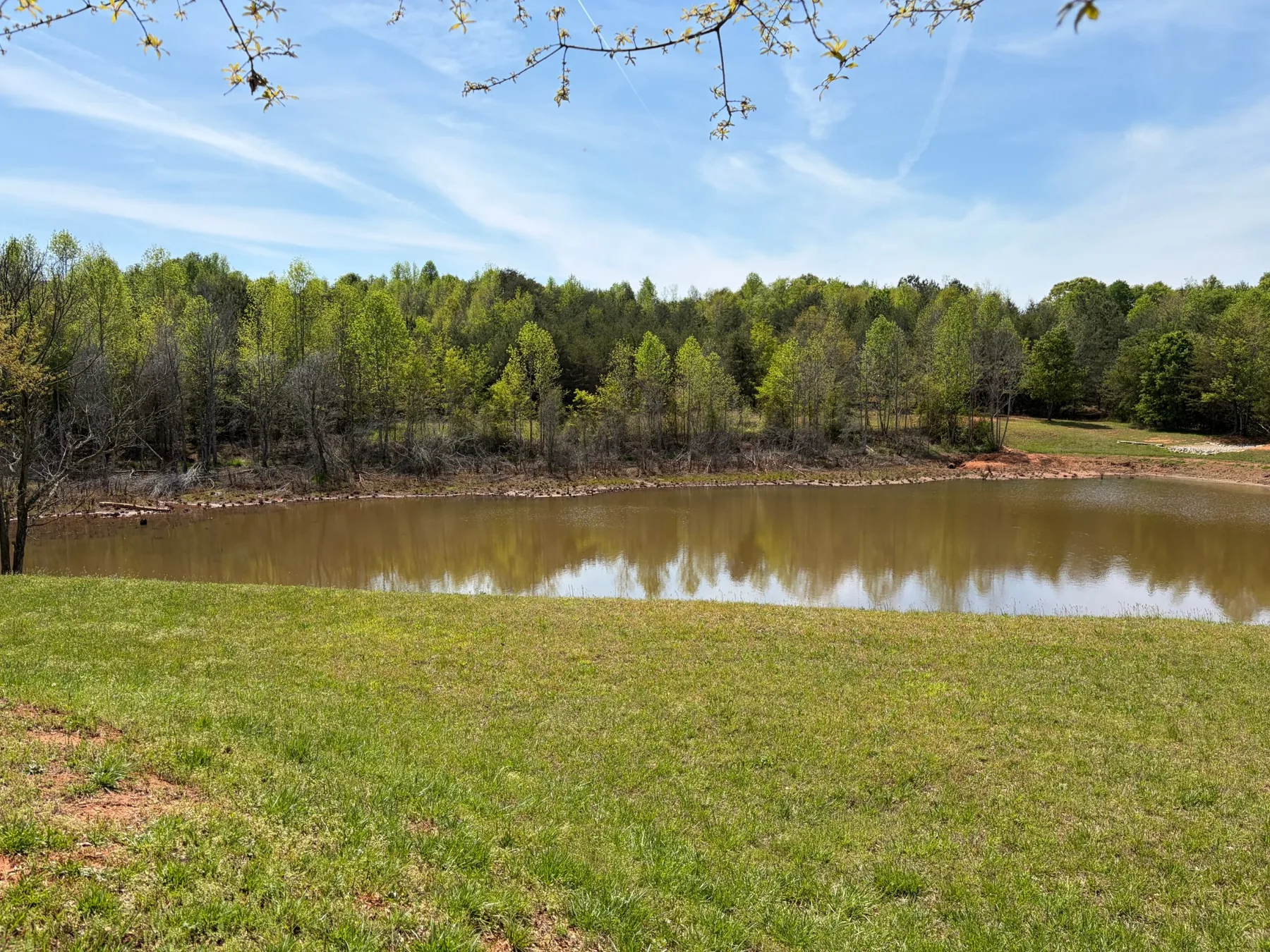
Land Clearing Services for Inman Properties
Land clearing involves more than cutting trees and brush. A wooded homesite, overgrown pasture, or commercial lot may each require different work to make the ground usable.
Our land clearing services may include:
- Brush clearing for briars, vines, scrub, and heavy undergrowth
- Selective tree removal within designated clearing areas
- Stump grinding or stump and root removal where needed
- Fence line and boundary clearing for fencing or survey access
- Vegetation and debris management through mulching or other suitable methods
- Rough grading to address uneven ground before the next phase of work
Clearing the right areas from the start can make the rest of the project easier. Whether you’re opening a homesite, reclaiming pasture, or preparing a commercial lot, Corbin Land Management plans the work around what needs to be removed and what should remain.
Residential Lot Clearing
Residential lot clearing doesn’t always mean removing every tree. A homesite may need room for the house, driveway, utilities, and other improvements while retaining healthy trees elsewhere on the property.
Corbin can clear the designated areas while working around wooded sections or individual trees you want to keep where practical. We also consider equipment access and the space needed for subsequent construction, helping you prepare the property without unnecessary clearing.
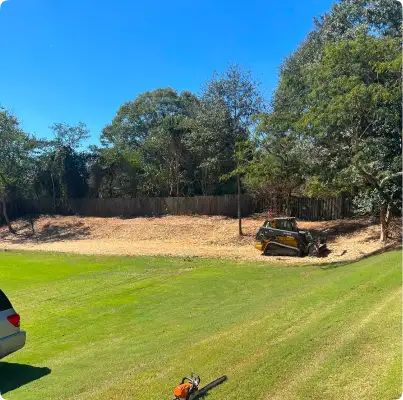
Pasture and Rural Acreage
Pastureland and larger rural properties often present different challenges. Land that has gone unmanaged may become covered with saplings, briars, vines, and other dense growth that makes fencing, mowing, or everyday access difficult.
Clearing can reopen these areas for pasture, agricultural use, fencing, and property maintenance. If the land will eventually support equipment traffic or additional improvements, stumps and larger root systems may also need attention.
Corbin Land Management considers both the immediate clearing needs and how you plan to maintain or use the acreage afterward.
Commercial Site Clearing
Commercial land clearing requires attention to more than the vegetation itself. Proposed building areas, access points, drainage, landscape buffers, and construction plans can all influence where clearing is needed.
Corbin Land Management helps prepare designated areas for commercial improvements while accounting for equipment access and the site work that follows.
Whether the project involves opening a building area or clearing a route for construction equipment, we focus on establishing workable ground for the next phase.
Selective vs. Full Land Clearing: Which Does Your Property Need?
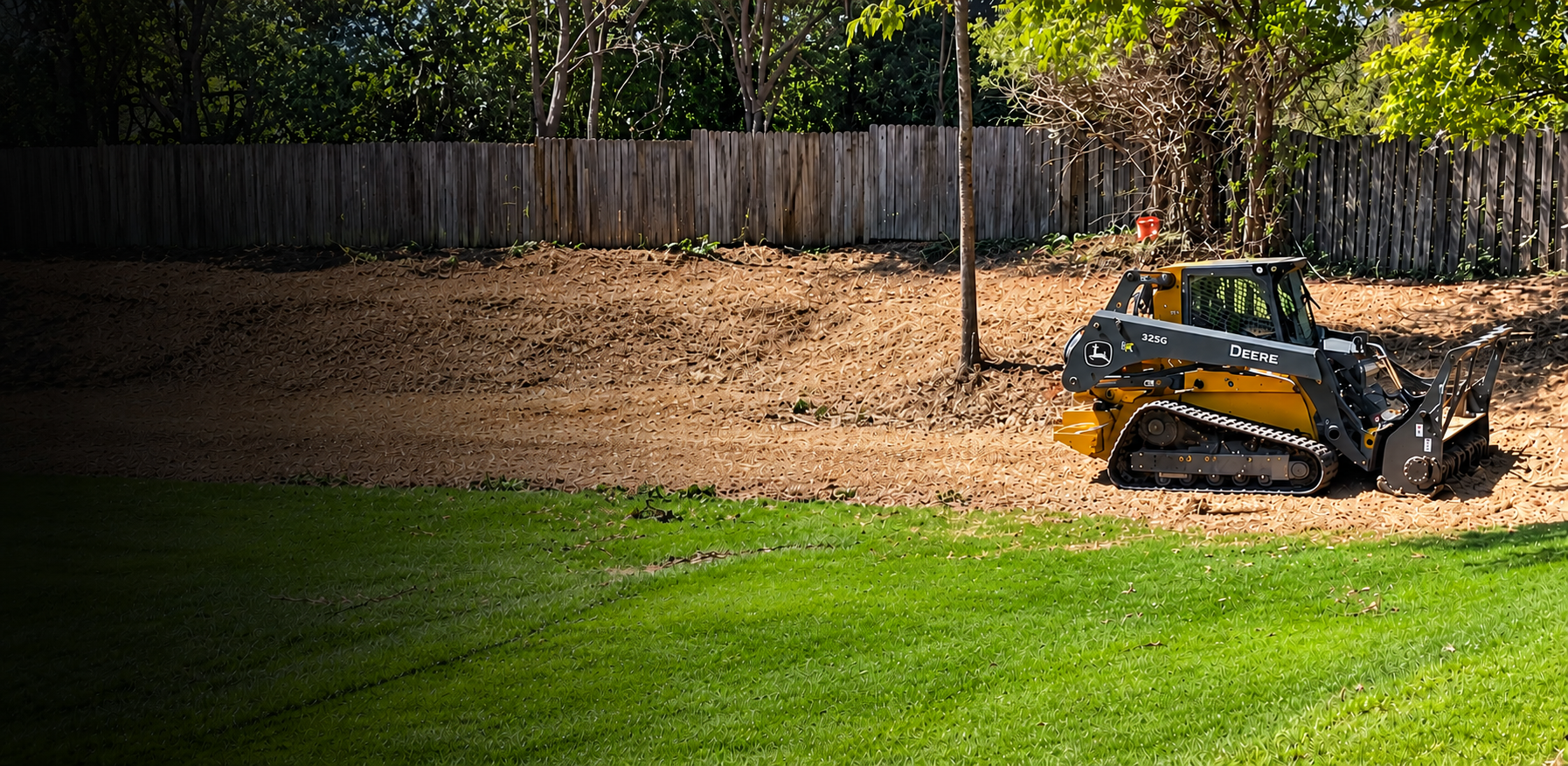
Not every property needs to be cleared to bare ground. Selective clearing removes unwanted trees and vegetation while preserving chosen trees, wooded buffers, or natural screening. Full clearing removes vegetation across a larger designated area and may include stump and root removal when the property’s next use requires it.
A wooded homesite may need only enough clearing for a house and driveway, while a new pasture or commercial building area may require more extensive removal. Some properties benefit from a combination of both approaches.
Before clearing begins, Corbin Land Management works with property owners to identify:
- Clearing boundaries: The areas that need to be opened, using available survey information and property markers
- Vegetation to preserve: Trees, wooded buffers, and natural screening that should remain
- Equipment access: Slopes, wet ground, existing improvements, and other conditions that affect where machinery can operate
- Finished conditions: Whether the cleared area needs stumps removed, debris managed, or additional work before its next use
Preserving trees also requires attention to what happens around them. Heavy equipment can compact soil over tree roots even when the trunks remain untouched. We account for these areas when planning selective clearing and equipment access.
Let's Get Your Property Ready
Whether you're opening a homesite, reclaiming acreage, or preparing for future improvements, Corbin Land Management can help. Tell us what you want to accomplish, and we'll discuss the clearing work your property needs.
Reach Out TodayGround Conditions, Stumps, and Regrowth
The red clay common throughout the Upstate can become difficult to work when saturated. Heavy equipment operating on wet ground may leave deep ruts or compact the soil, creating additional work before the property is ready for its next use.
Corbin considers weather, slopes, drainage, and equipment access when planning clearing work. Properties that need further ground shaping may also benefit from grading and leveling after vegetation removal.
Stumps and Roots After Clearing
Removing trees doesn’t always mean removing their underground root systems. Stump grinding reduces the visible stump, while more extensive removal takes out additional material below the surface.
For building areas or other improvements, the remaining stumps and roots may affect the next stage of work. Corbin evaluates these needs as part of the clearing scope, with additional excavation services available when the project requires ground removal.
Invasive Vegetation and Regrowth
Privet, kudzu, and other aggressive vegetation can return after the initial clearing. Removing the visible growth opens the property, but some plants may resprout from roots or remaining vegetation.
For areas that need continued attention, brush and vegetation removal can help property owners manage recurring growth without undertaking another full land clearing project.
01
Planned for Your Property
We consider terrain, vegetation, access, and your intended use before clearing begins.
02
Selective Clearing Options
We identify areas to open while preserving designated trees and natural features where practical.
03
Trees, Brush, & Other Obstacles
We account for larger trees, dense undergrowth, stumps, and other obstacles within the clearing area.
04
Ready for the Next Step
We consider how the cleared area will transition into grading, construction, or future property use.
What Affects the Cost of Land Clearing?
Acreage alone doesn’t determine land clearing costs. Two properties of the same size can require very different amounts of work based on vegetation, terrain, access, and the desired finished conditions.
When preparing an estimate, Corbin Land Management considers:
- Tree size, brush density, and vegetation types
- Slopes, wet ground, and equipment access
- Stumps, roots, and obstacles requiring removal
- Debris handling and disposal requirements
- How the property needs to be left after clearing
A site walkthrough helps establish the scope of work and identify conditions that may affect pricing.
How Is Clearing Debris Handled?
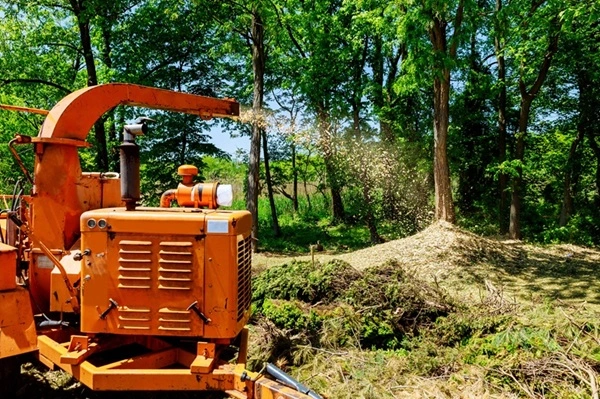
Trees and brush may be processed on-site or removed, depending on the project. Forestry mulching processes suitable woody vegetation into mulch, reducing the need to haul that material away.
Other clearing projects may require different debris-handling methods based on the vegetation and intended property use.
How Long Does Land Clearing Take?
Project timelines depend on acreage, vegetation density, terrain, equipment access, and weather. Smaller areas with lighter growth may be cleared relatively quickly, while heavily wooded or difficult properties require more time.
Wet Upstate clay can also delay equipment work. Corbin considers these conditions when discussing the expected project schedule.
Land Clearing in Inman and Surrounding Communities
Based in Inman, Corbin Land Management serves property owners throughout northern Spartanburg County and the surrounding Upstate.
Our service area includes Spartanburg, Greer, and Boiling Springs. For suitable projects, we also travel toward Clemson and Lake Keowee.
Whether you’re reclaiming rural acreage or clearing a lot for a future project, our team brings practical experience with local vegetation, terrain, and ground conditions.
Additional Site Work After Land Clearing
Once unwanted vegetation is removed, some properties need further work before construction or other improvements can begin.
Corbin Land Management also provides site preparation, grading and leveling, and driveway and access preparation. These services can help move a property from initial clearing toward its intended use without coordinating separate contractors for each stage.
Start Your Inman Land Clearing Project
Whether you need selective clearing around a future homesite or more extensive vegetation removal across rural acreage, Corbin Land Management plans the work around your property’s needs.
We’ll discuss what needs to be removed, what should remain, and how you want the ground left when the job is complete.
Ready to put your property to use? Contact Corbin Land Management to discuss your Inman land clearing project and request an estimate.
Start Your Land Clearing Project
Your next project starts with the ground beneath it. Corbin Land Management provides land clearing in Inman and throughout the surrounding Upstate. Contact us to discuss your property and request an estimate.
Get Your Estimate