


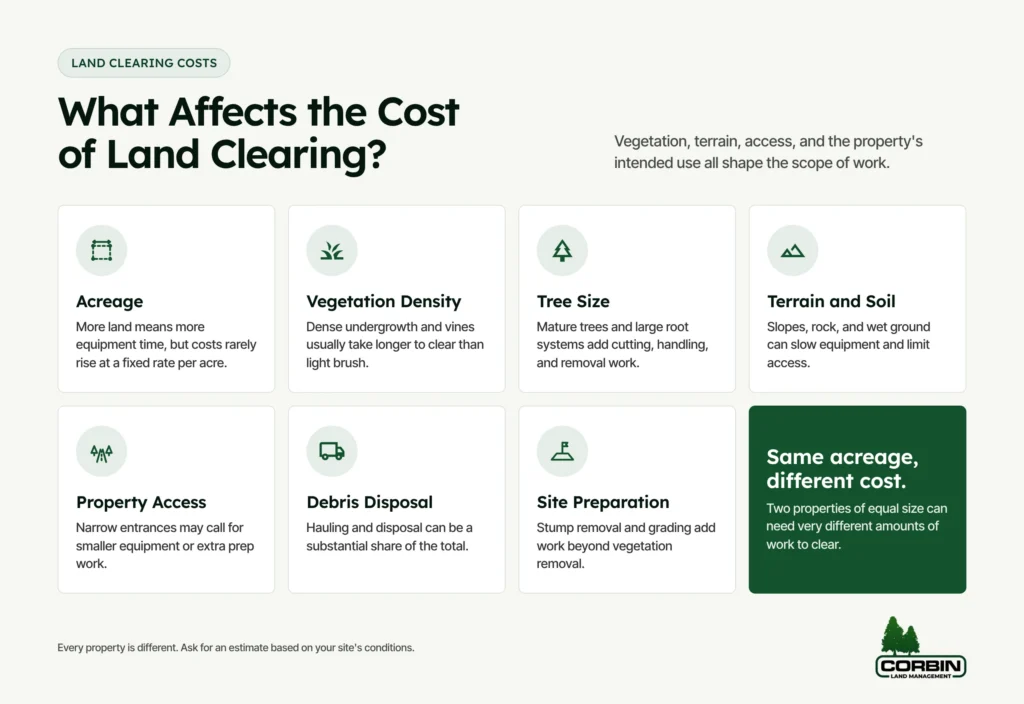
Two properties with the same acreage can have very different land clearing costs. A level lot covered in light brush may be relatively easy to clear, while a heavily wooded property with steep slopes, large trees, and limited access can require considerably more work.
The primary factors affecting land clearing costs include acreage, vegetation density, tree size, terrain, equipment access, debris disposal, and the amount of site preparation required. The property’s intended use also matters. Clearing land for recreational access typically involves different work than preparing a site for residential or commercial construction.
Understanding these factors can help property owners establish realistic budgets and compare contractor estimates. Professional land clearing services can address vegetation removal and property preparation based on the conditions and goals of each project.
How Does Acreage Affect Land Clearing Costs?
Acreage influences the amount of labor, equipment time, and material handling required, but land clearing costs do not increase at a fixed rate per acre. For example, clearing five acres of light brush may require less intensive work than clearing two acres with mature trees and dense undergrowth.
Smaller projects can also have proportionally higher equipment transportation and setup costs. Larger properties may offer greater operating efficiency when crews can work continuously across accessible areas. For these reasons, online per-acre estimates provide limited guidance without considering the property’s vegetation, terrain, and intended use.
How Tree Size and Vegetation Density Affect Costs
Vegetation density directly affects clearing time and the amount of material requiring removal. Grass, vines, saplings, and light brush are generally easier to clear than mature trees with established root systems.
Tree and brush removal costs may increase when a property contains:
- Large trees or extensive root systems.
- Dense undergrowth that limits access.
- Dead or unstable trees.
- Vegetation near structures or utilities.
- Trees that must be preserved during selective clearing.
Selective clearing can require additional planning to protect designated trees and surrounding areas. Heavily wooded properties may also require stump removal, depending on their intended use.
How Terrain and Soil Conditions Affect Pricing
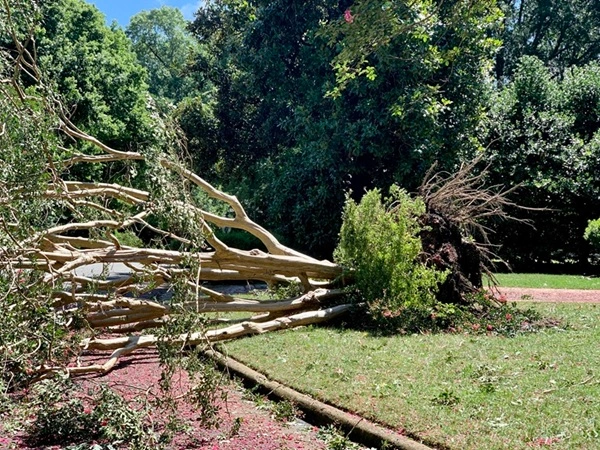
Land clearing generally proceeds more efficiently on stable, relatively level ground. Steep slopes, rocky areas, wet soil, and uneven terrain can slow progress and limit access.
Slopes and Uneven Ground
Working on slopes may require additional precautions or specialized machinery. Moving debris across uneven terrain can also increase labor requirements.
Properties in foothill regions, including parts of Upstate South Carolina, may contain elevation changes that are not immediately visible from the road. These conditions can affect the amount of usable land and the clearing approach.
Wet or Unstable Soil
Soft ground can make heavy equipment difficult to operate without causing significant rutting or soil disturbance. Contractors may need to adjust scheduling, equipment selection, or access routes. These decisions influence both project costs and the property’s condition after clearing.
How Property Access Affects Clearing Costs
Accessibility is another major land clearing cost factor. A property with a wide entrance and open work area is generally easier to clear than one reached through a narrow path surrounded by trees or structures.
Limited access may require additional preparation or smaller equipment.
The distance between the clearing area and debris loading location also affects efficiency. If trucks cannot reach the work area, removed material may need to be transported across the property before hauling.
Different clearing projects require machinery suited to the vegetation, terrain, and final site requirements. Equipment transportation, operating time, and labor all contribute to pricing.
Does Forestry Mulching Cost Less Than Traditional Clearing?
Forestry mulching can cost less than traditional clearing when vegetation can be processed on-site without extensive stump removal or debris hauling. However, the most cost-effective method depends on the vegetation and how the property will be used afterward.
Forestry Mulching
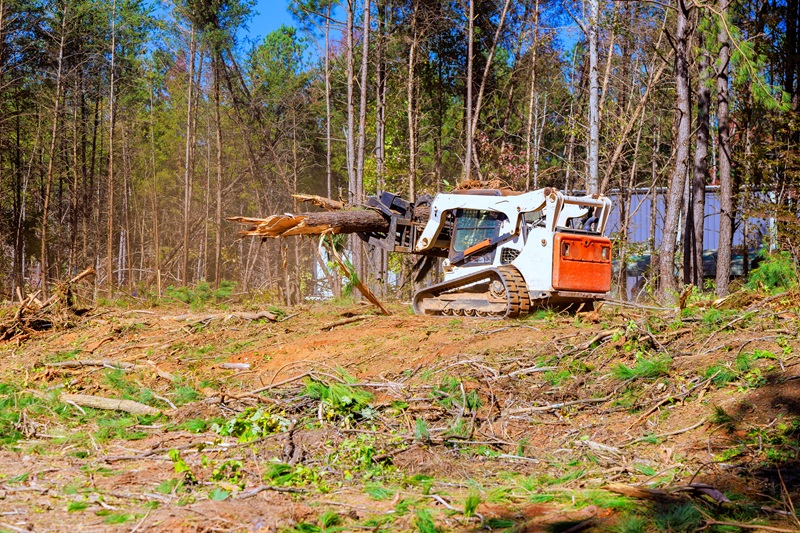
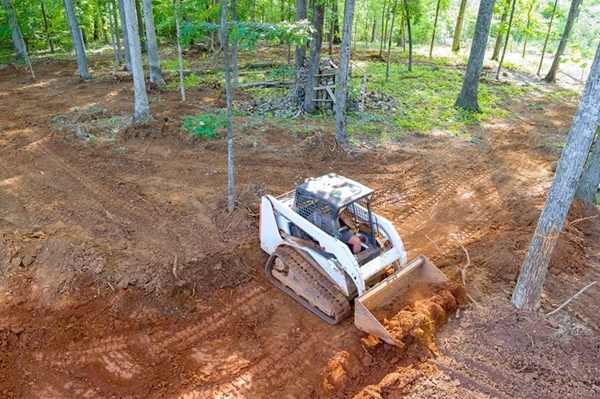
Forestry mulching processes brush, saplings, and smaller trees into mulch that generally remains on the property. This can reduce debris hauling and limit soil disturbance. It is often suitable for vegetation management, opening access paths, and clearing undergrowth while preserving selected trees.
However, mulching typically leaves roots and some stumps in place. Properties requiring foundations, utility installation, or extensive land grading may need additional preparation.
Traditional Mechanical Clearing
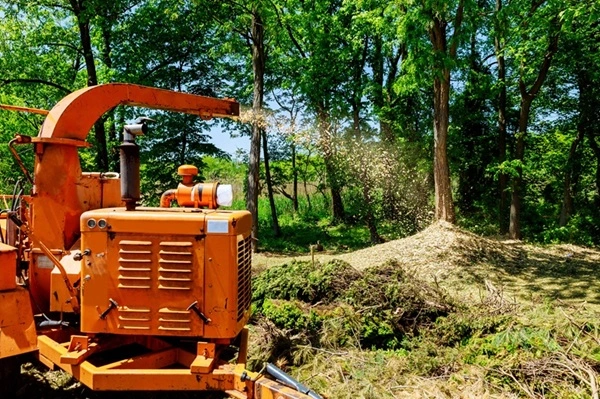
Traditional clearing may involve removing trees, extracting stumps, handling root material, and hauling debris. This approach is often appropriate when vegetation and underground obstacles must be removed before construction.
Mechanical clearing can involve greater labor and disposal expenses, but it may accomplish work that forestry mulching cannot.
The appropriate method depends on the required condition of the property after clearing.
Additional Costs for Stump Removal and Grading
Removing vegetation does not necessarily leave land ready for construction. Additional preparation may be required depending on the planned improvements.
Stump and Root Removal
Stumps may be acceptable on land intended for general vegetation management. However, construction projects often require underground obstacles to be addressed.
Stump grinding reduces stumps below the surface, while more extensive removal may be necessary where roots interfere with excavation or foundations. The required treatment affects project scope and pricing.
Grading and Drainage
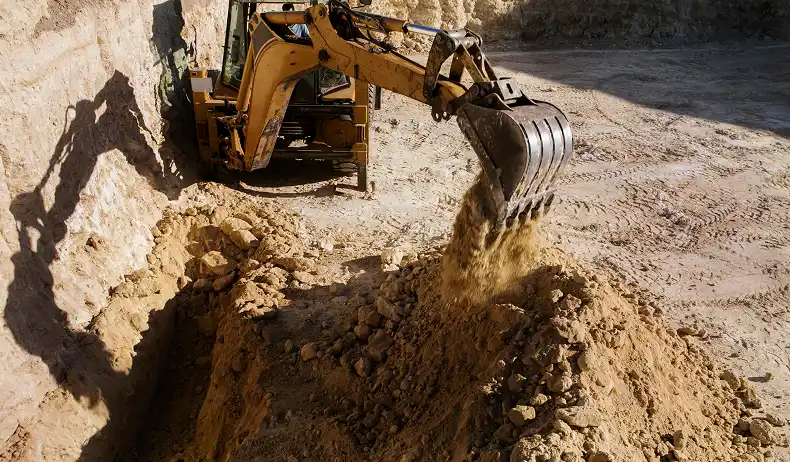
Grading adjusts ground elevations to support the property’s intended use. A building site may require leveling, excavation, soil movement, or drainage improvements. These activities add work beyond vegetation removal.
Coordinating clearing with site preparation services can help establish the required finished condition before work begins.
Debris Disposal and Hauling Expenses
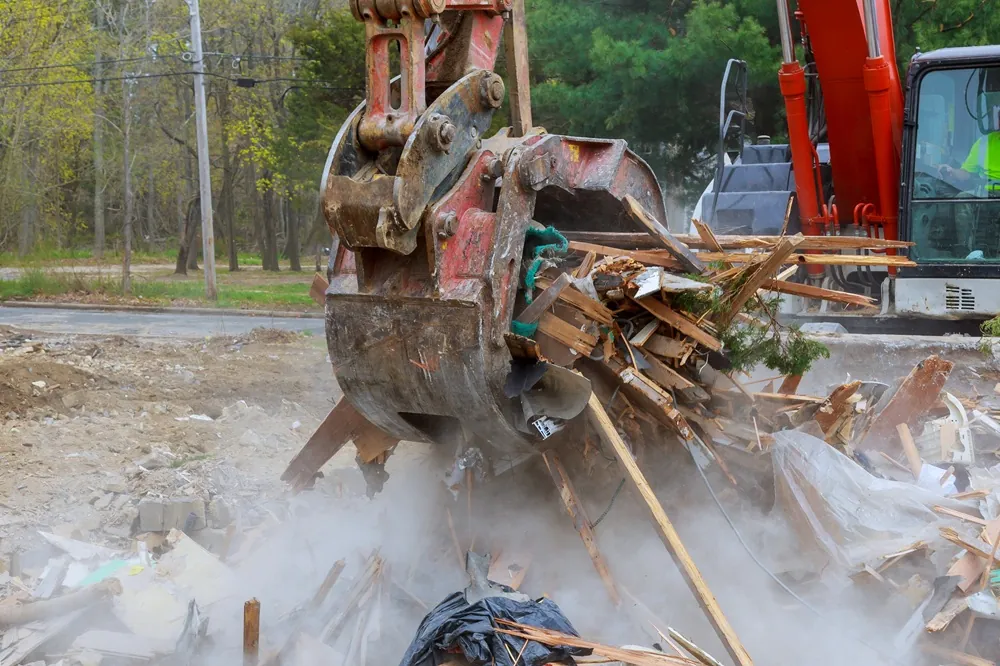
Debris disposal can represent a substantial portion of land clearing expenses. Removing mature trees creates trunks, branches, and root material that must be processed or transported.
Common disposal approaches include:
- Processing smaller vegetation into mulch.
- Chipping branches and brush.
- Hauling logs and debris off-site.
- Removing stumps and root material.
- Using approved on-site disposal methods where permitted.
Off-site hauling may involve loading, transportation, and disposal fees. Property owners should confirm whether cleanup is included in the estimate. A quote covering vegetation removal alone may not include the cost of removing accumulated debris.
Residential vs. Commercial Land Clearing Costs
Residential land clearing costs often depend on lot size and planned improvements. Preparing a homesite may involve removing trees, clearing driveway access, addressing stumps, and grading the building area. Homeowners may also choose selective clearing to preserve mature trees, maintain privacy, or leave portions of the property undisturbed.
Commercial land clearing may involve larger areas, additional access requirements, drainage considerations, and more extensive site preparation. Projects intended for parking lots, commercial buildings, or other developed spaces may require clearing across a larger portion of the property, along with additional grading and soil preparation to accommodate construction.
The amount of land that needs to be cleared is not always the same as the property’s total acreage. For example, a homeowner may only need a building site and driveway cleared, while a commercial project may require most of the parcel to be accessible and prepared for development.
Ultimately, project complexity matters more than property classification alone. A small residential lot with difficult access and mature trees may require more intensive work than a larger commercial parcel containing mostly light vegetation.
Permits and Erosion Control Requirements
Some clearing projects require permits, environmental review, or erosion control measures. Requirements vary by jurisdiction, acreage, and the type of land disturbance. For example, the South Carolina Department of Environmental Services regulates construction-related land disturbance through its stormwater permitting program.
Construction activities disturbing one acre or more generally require stormwater permit coverage in South Carolina. Smaller projects may also be subject to permitting or notification requirements, particularly when they are part of a larger development plan. Property owners should confirm applicable state and local requirements before beginning work.
Erosion controls, drainage protection, and permit-related work should be considered when estimating total project costs.
How to Compare Land Clearing Estimates
A useful estimate should identify the services included rather than provide only a total price.
Property owners should review:
- Clearing boundaries: How much land will be cleared?
- Vegetation removal: Are large trees, brush, and deadfall included?
- Stump treatment: Will stumps be ground, removed, or left in place?
- Debris disposal: Does the estimate include hauling and cleanup?
- Final site condition: Will grading or additional preparation be completed?
- Other requirements: Are access improvements, erosion controls, and other necessary work addressed?
These details help explain differences between estimates.
One contractor may quote vegetation removal alone, while another includes stump removal, debris hauling, and grading. Comparing the complete scope of work provides a more reliable picture of the total project cost.

Planning Land Clearing Around the Property’s Intended Use
The cost of clearing land depends on more than acreage. Vegetation, terrain, equipment access, debris removal, and the property’s intended use all determine the work required. Establishing the full project scope before clearing begins can help property owners avoid unexpected expenses and compare estimates more accurately.
Corbin Land Management provides land clearing, forestry mulching, tree removal, and site preparation services throughout Upstate South Carolina. Whether you’re opening up an overgrown property or preparing land for construction, our team can evaluate site conditions and recommend an approach suited to your goals.
Contact Corbin Land Management to request an estimate for your property.
Clear the Land. Prepare the Ground. Build With Confidence.
Whether you need to clear an overgrown lot, prepare a building site, improve access, or reshape your property, Corbin Land Management is ready to help.
Contact